






Website Header
SeatGeek Banner
SeatGeek Banner
SeatGeek Banner
NEWS
How Tammy Wynette Recorded Stand by Your Man in Fifteen Minutes and Sparked a Cultural Phenomenon
By Brian Zwerner /
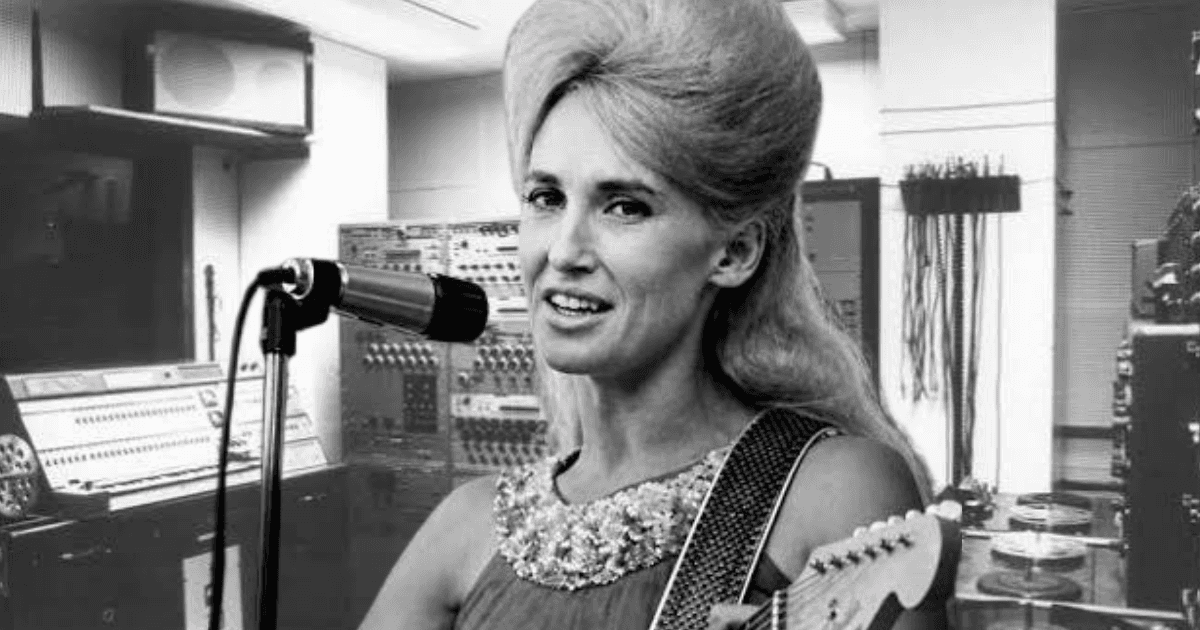
In the late summer of 1968, a former Mississippi beautician walked into Columbia Recording Studio B in Nashville to meet with legendary producer Billy Sherrill. She had already overcome rural poverty, early divorce, and backbreaking years of picking cotton to establish herself as a rising powerhouse in Music City. Yet neither of them could have predicted that a spontaneous fifteen-minute writing session was about to birth one of the most celebrated and fiercely debated anthems in modern American music.

When Tammy Wynette sat down at the studio piano with Sherrill on that August afternoon, they quickly sketched out a melody built on raw vulnerability, emotional sacrifice, and stubborn loyalty. The creative spark was so immediate that the entire structure came together in a matter of minutes. Armed with her soaring vocal power and that unmistakable tear-in-the-voice delivery that could pierce straight through any speaker, she stepped up to the microphone to lay down the tracks. 

58 years ago today, on September 20, 1968, Epic Records officially released "Stand by Your Man" to radio stations across the nation.

The record exploded out of the gate, rocketing straight to number one on the Billboard Hot Country Singles chart and holding the top spot for three consecutive weeks. It quickly accomplished an extraordinarily rare feat for a country record in that era by crossing over into the pop Top 20, peaking at number nineteen. The runaway smash went on to earn her a prestigious Grammy Award for Best Female Country Vocal Performance, cementing her status as the undisputed First Lady of Country Music.

Yet the massive commercial triumph arrived hand in hand with intense cultural controversy. Released right at the height of the emerging women's liberation movement, the lyrics drew fiery pushback from critics and activists who argued the song urged women to accept second-class treatment and overlook bad behavior. Wynette repeatedly stood by the message, explaining that she never wrote the lyrics to promote subservience, but rather meant them as a tender tribute to standing shoulder to shoulder with the person you love through life's hardest storms.

Decades later, the track stands as an unshakeable cornerstone of American music history. Inducted into both the Grammy Hall of Fame and the Library of Congress National Recording Registry, it remains the ultimate signature performance of an icon whose turbulent personal life often echoed the deep heartbreak in her art. Check out her complete story on our site to explore how her unforgettable voice reshaped the country genre forever.

Tammy Wynette